
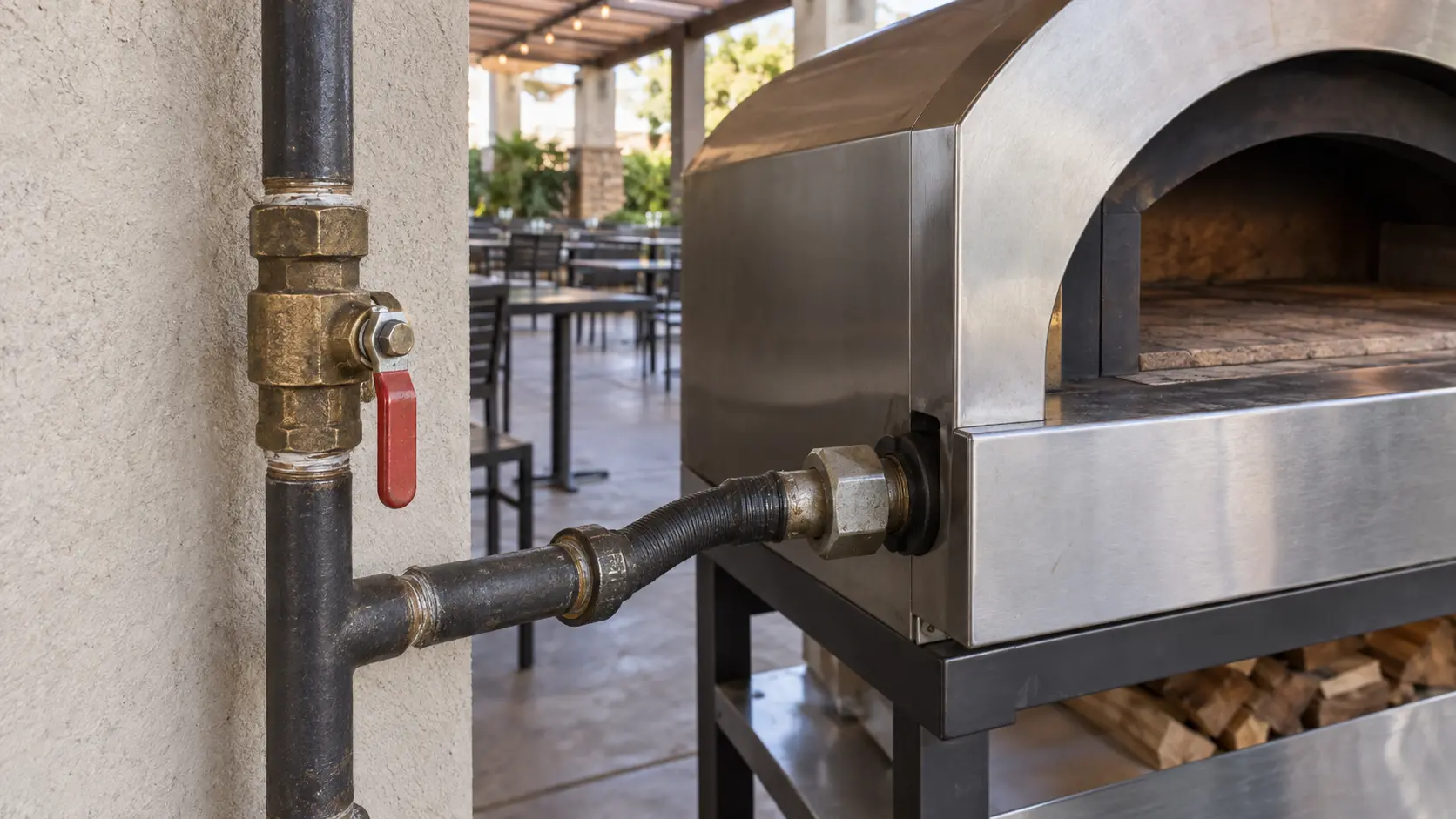

Gas, flame, smoke and safe bake temperatures
Gas, fire, smoke and food
guides.
What to do about a gas smell at the pizza oven, fire escaping the mouth or burning in the chimney, smoke filling the room, and how hot toppings must get before a pie is safe to serve.
Mon–Sat, 8am–8pm
- Three guides
- Read before you book
- Says where to stop
Book a visit
Three short steps, about a minute.
or call (844) 747-3662
Loading appointment form…
The appointment form couldn’t load. Please try again.
Gas, fire, smoke and food,
guide by guide.
A pizza oven keeps a gas supply, an open fire several hundred degrees hot and a flue within a few steps of the people waiting to eat. Most nights all three behave. This section is for the evenings when one of them does not: a smell of gas at the counter, flame showing at the chimney cap, smoke rolling back under the patio roof or into the dining room, or a fire that will not burn clean because of the wood feeding it.
All 18 guides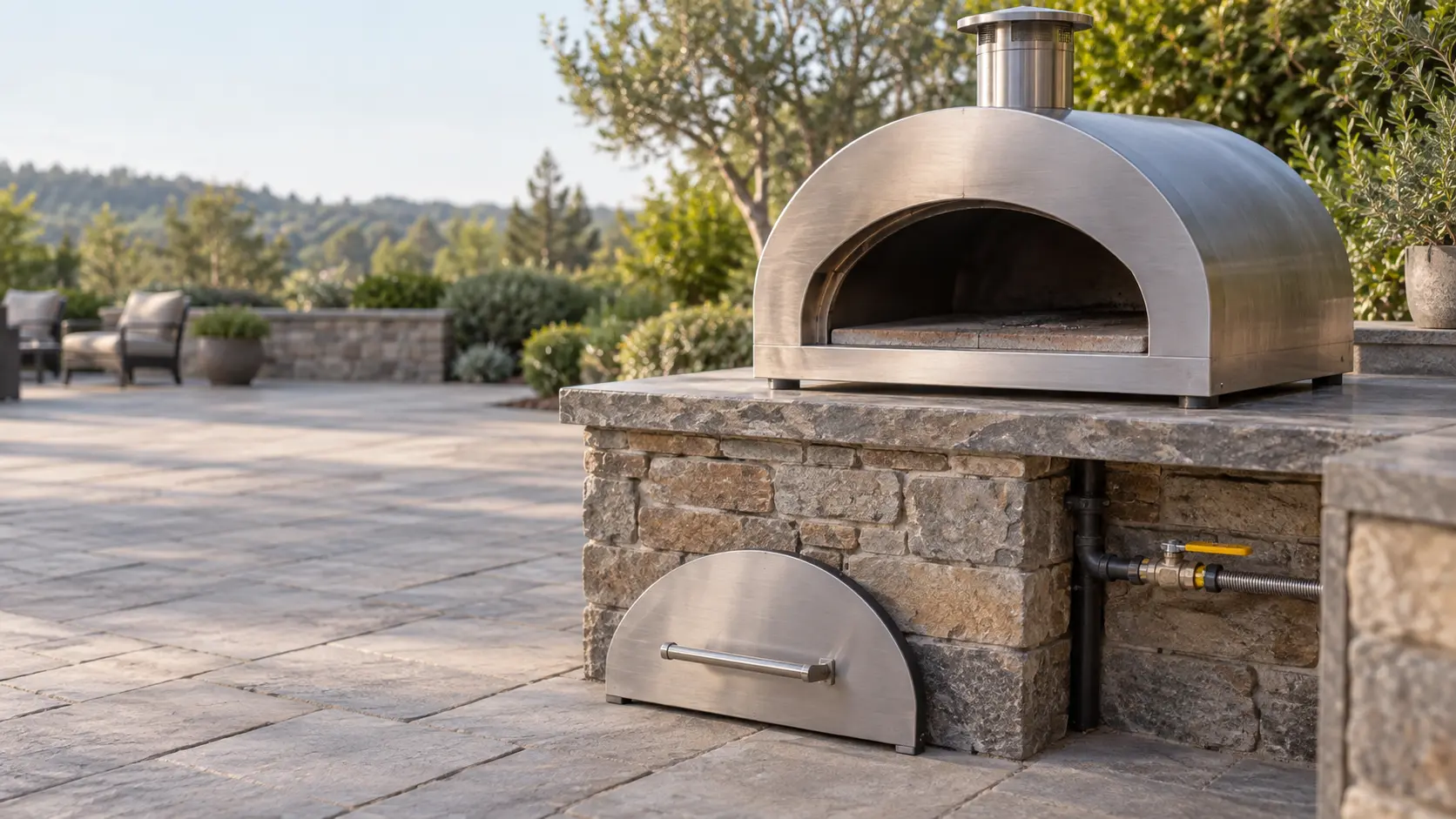
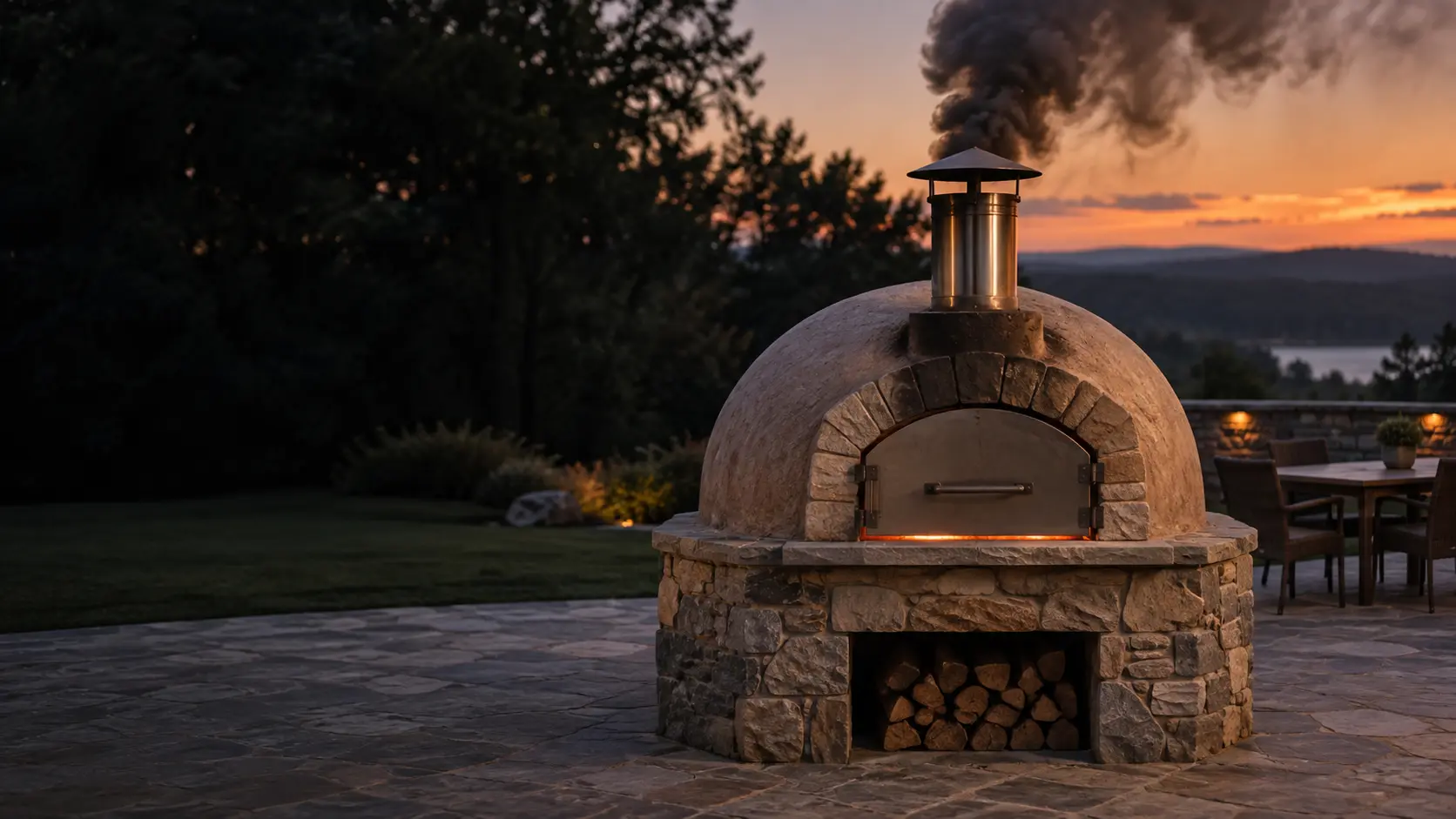
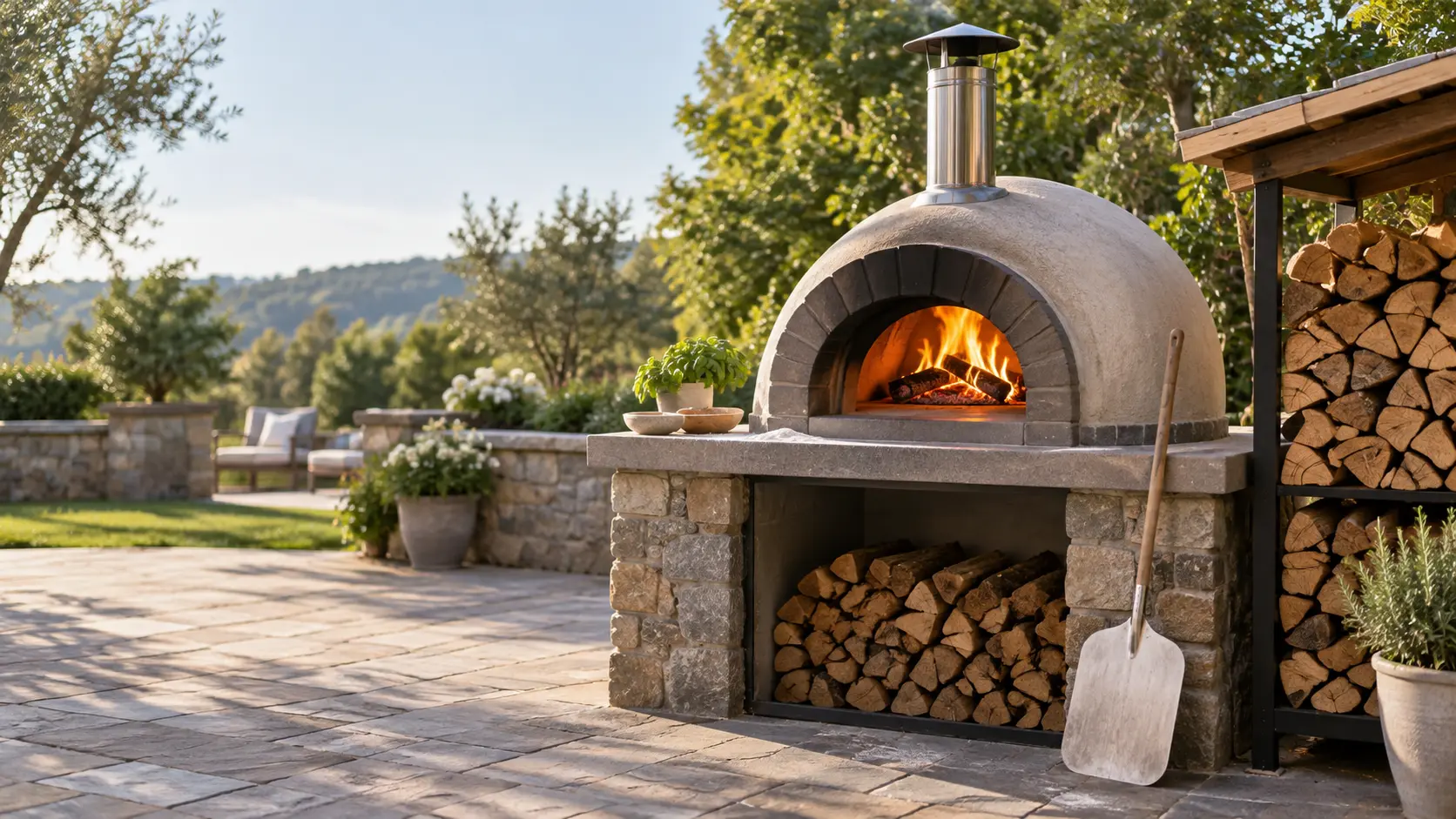
Gas, flame, smoke and safe bake temperatures.
The guides here come before any repair talk because the first minutes decide how the evening ends. Each one gives the order of moves the makers print in their own manuals, from shutting the gas at the tank or valve to closing the oven door on a fire that has climbed into the flue, and marks the point where the next call goes to the gas utility or 911 rather than to us.
The advice is taken from the pizza oven makers' manuals, NFPA and USFA fire safety guidance and EPA Burn Wise pages on wood smoke and firewood, and each guide links the pages it relies on. Where two makers disagree, as they do on charcoal or on how far an oven must stand from a wall, the guide says so and sends you to the manual for your own model.
Food safety sits in this section too. A pizza oven cooks fast, and a blistered crust can hide a topping that never got hot enough in the middle. The temperatures quoted on this site are the FDA's safe minimum internal temperatures, read with a food thermometer, not a guess from the color of the cheese.
Not sure where to start?The short answerA gas smell at the pizza oven: burners off, supply closed, everyone back
A pizza oven gas smell means turning every burner off, closing the gas at the tank or shutoff valve, putting out any flame and opening or removing the oven door.
The short answerChimney fire or smoke in the room: closing the door on a pizza oven flue
A pizza oven chimney fire is creosote burning inside the flue.
The short answerBurning the right wood in a pizza oven: dry hardwood, under 20 percent
The best wood for a pizza oven is split hardwood such as oak, maple, ash, hickory or fruitwood, seasoned or kiln-dried to under 20 percent moisture.
When reading
is not enough.
If the checks in these guides did not settle it, the visit picks up from there, stop by stop.
What repairs cost- 01Gas, power and draft come first
- 02The cause, and its cost
- 03Parts that ride along
- 04Fired up before we go
The problems
these answer.
Each has a page of its own, with the causes in the order worth checking.
All 17 problems
Pizza Oven Gas Smell Near the Burner or Supply Line: Act First
6 causes, cheapest first
Gas Pizza Oven Won't Light: Clicks, Gas Hiss, Still No Flame
7 causes, cheapest first

Pizza Oven Pilot Won't Stay Lit Once the Knob Is Released
6 causes, cheapest first

Flames Rolling Out of the Pizza Oven Mouth or Chimney
6 causes, cheapest first

Questions about
gas, fire, smoke and food.
Someone smells gas near the pizza oven. What happens first?
Is it safe to put water on a fire in a wood-fired pizza oven?
How hot do pizza toppings need to get?
How long can leftover pizza sit out after the party?
The other
sections.
Split by what you are trying to find out rather than by which part of the appliance it concerns.
All guides


Installation and setup
Start from your question
The four questions most visits start with, each with the guide that answers it.
18 guidesWhere to start Where to startBack to your everyday
Let’s get your pizza oven working again.
Three short steps online, or one call. Tell us what you are seeing and pick a window that works.