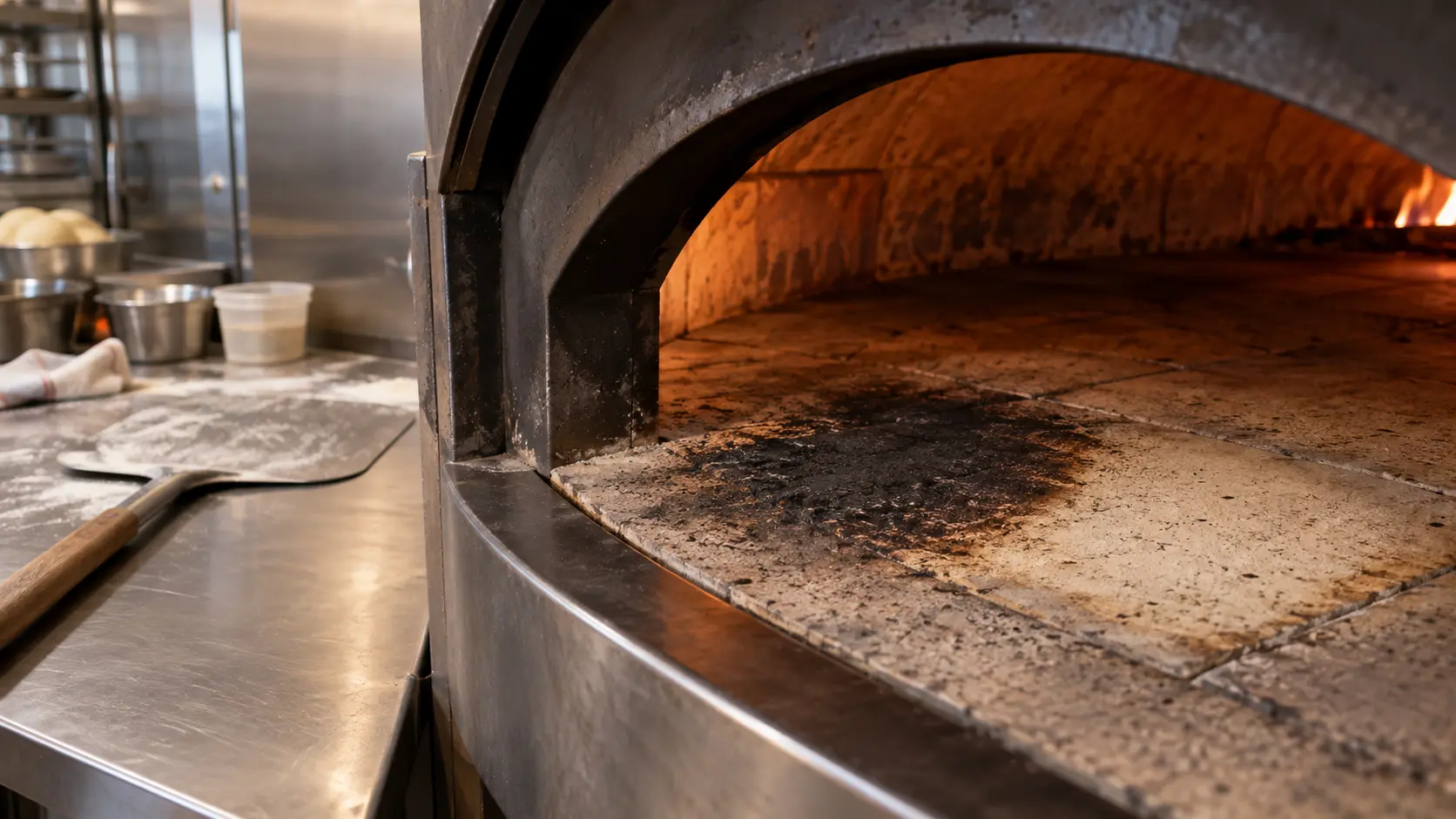


What the fire and the floor are telling you
Common problems
guides.
What a pizza oven means when the burner will not catch, the floor never gets hot enough, the bottoms burn while the tops stay pale, or a crack opens across the dome.
Mon–Sat, 8am–8pm
- Three guides
- Read before you book
- Says where to stop
Book a visit
Three short steps, about a minute.
or call (844) 747-3662
Loading appointment form…
The appointment form couldn’t load. Please try again.
Common problems,
guide by guide.
Start with what you have noticed at the pizza oven: a floor that stays too cool to crisp a crust, pies that blacken underneath while the cheese stays pale, or a crack that has appeared across the dome. Each guide explains what the oven is doing, why, and which reason is most likely on your kind of oven.
All 18 guides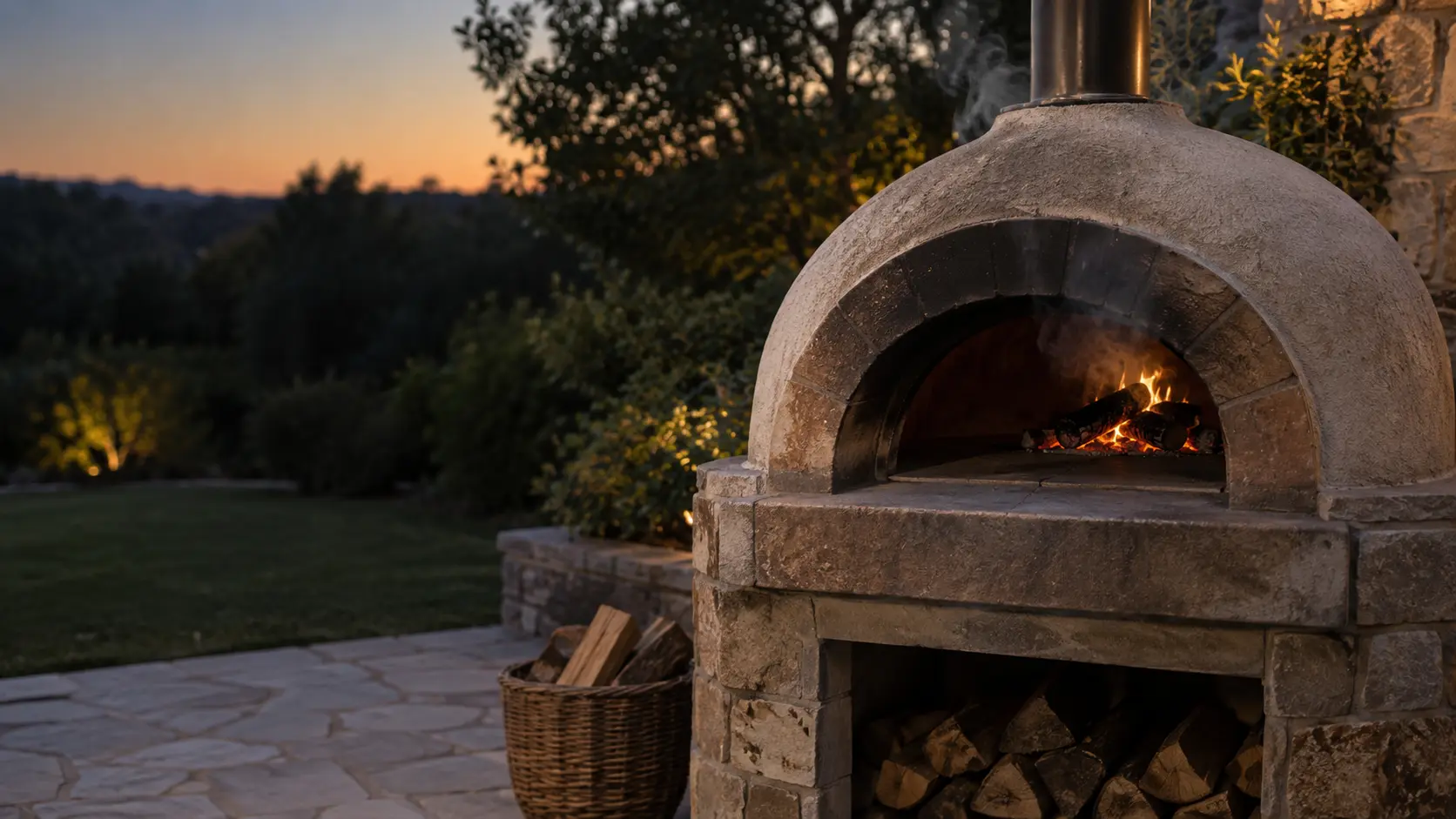
What the fire and the floor are telling you.
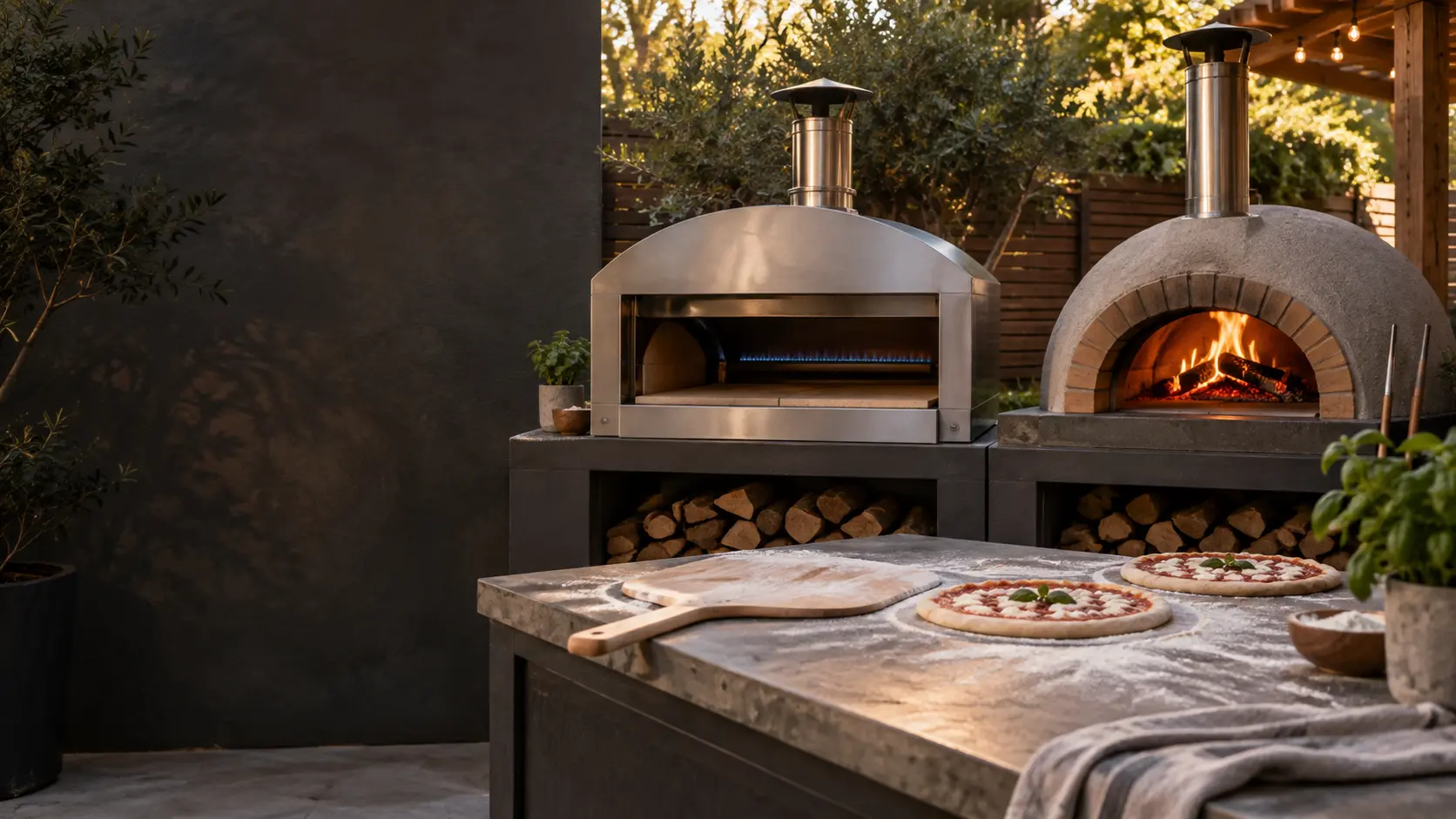
They are written across the four families we repair, because one complaint has different roots in each. A cool floor in a wood-fired dome is usually wet wood or a short fire; in an outdoor gas oven it is often a chilled or nearly empty cylinder; in a deck oven it can be gas pressure shared with the rest of the line; in a conveyor it is the burner or the blowers.
Inside each guide the cheap explanations come first, such as preheat time, fire size, a setting or the door, and the ones that need a part come last. Specific numbers are taken from the makers' US manuals and credited beneath the paragraph that uses them, so they can be compared with the booklet that came with your own oven.
Where a pattern points to gas fittings, a valve, an element behind a panel or masonry that is letting smoke through, the guide says so and stops. Owners do not open gas fittings or panels over live wiring, and nobody reaches into a hot oven or climbs onto a dome or a roof to look at a chimney.
Not sure where to start?The short answerWhy a pizza oven will not heat: short preheats, cold cylinders and wet masonry
When a pizza oven will not heat, work through the cheap causes first: too short a preheat, a nearly empty or chilled propane cylinder, a tripped flow limiter, wet firewood, a dome that soaked up rain, a door left open and a deck worked on one spot.
The short answerWhy the bottom burns and the top stays pale, and which heat to turn up
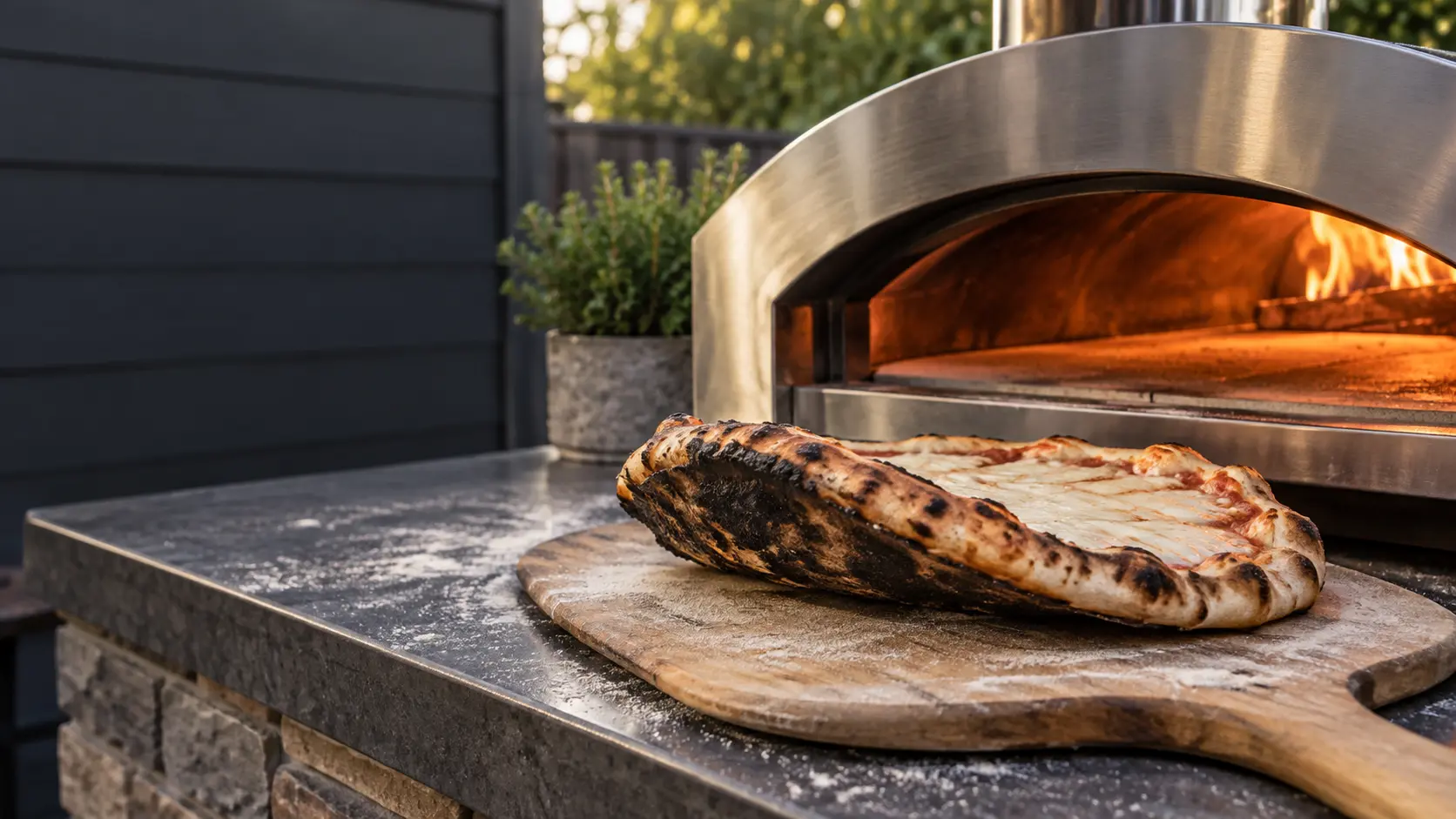
Pizza oven bottom burning with a pale top means floor heat is outrunning top heat.
The short answerWhy a dome cracks: normal crazing, trapped steam and fires too big
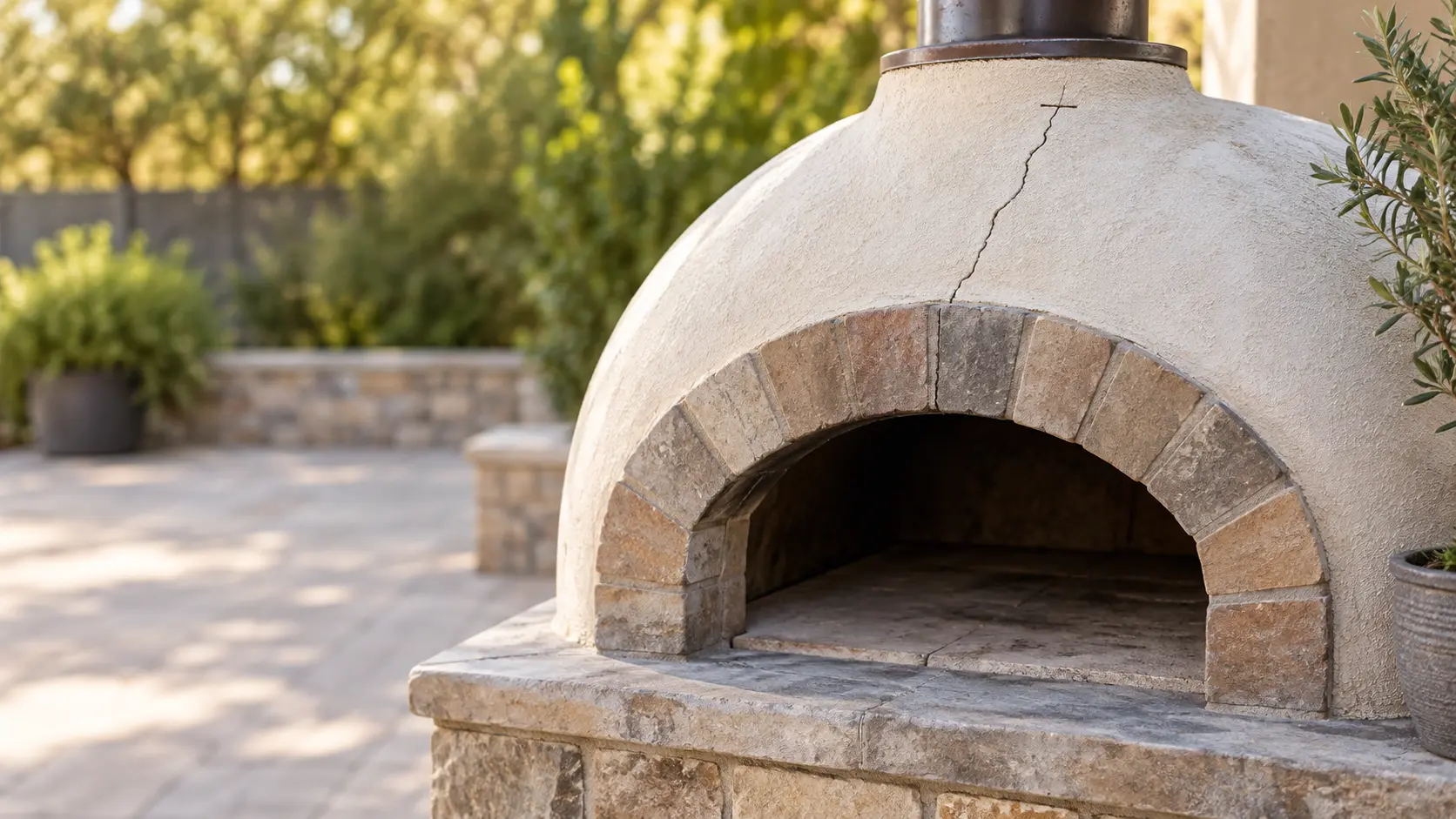
A pizza oven dome crack is usually harmless hairline crazing from heating and cooling, which Wood Stone, Alfa and Coyote all treat as normal.
When reading
is not enough.
If the checks in these guides did not settle it, the visit picks up from there, stop by stop.
What repairs cost- 01Gas, power and draft come first
- 02The cause, and its cost
- 03Parts that ride along
- 04Fired up before we go
The problems
these answer.
Each has a page of its own, with the causes in the order worth checking.
All 17 problems
Pizza Oven Not Getting Hot Enough to Bake a Crisp Crust
7 causes, cheapest first
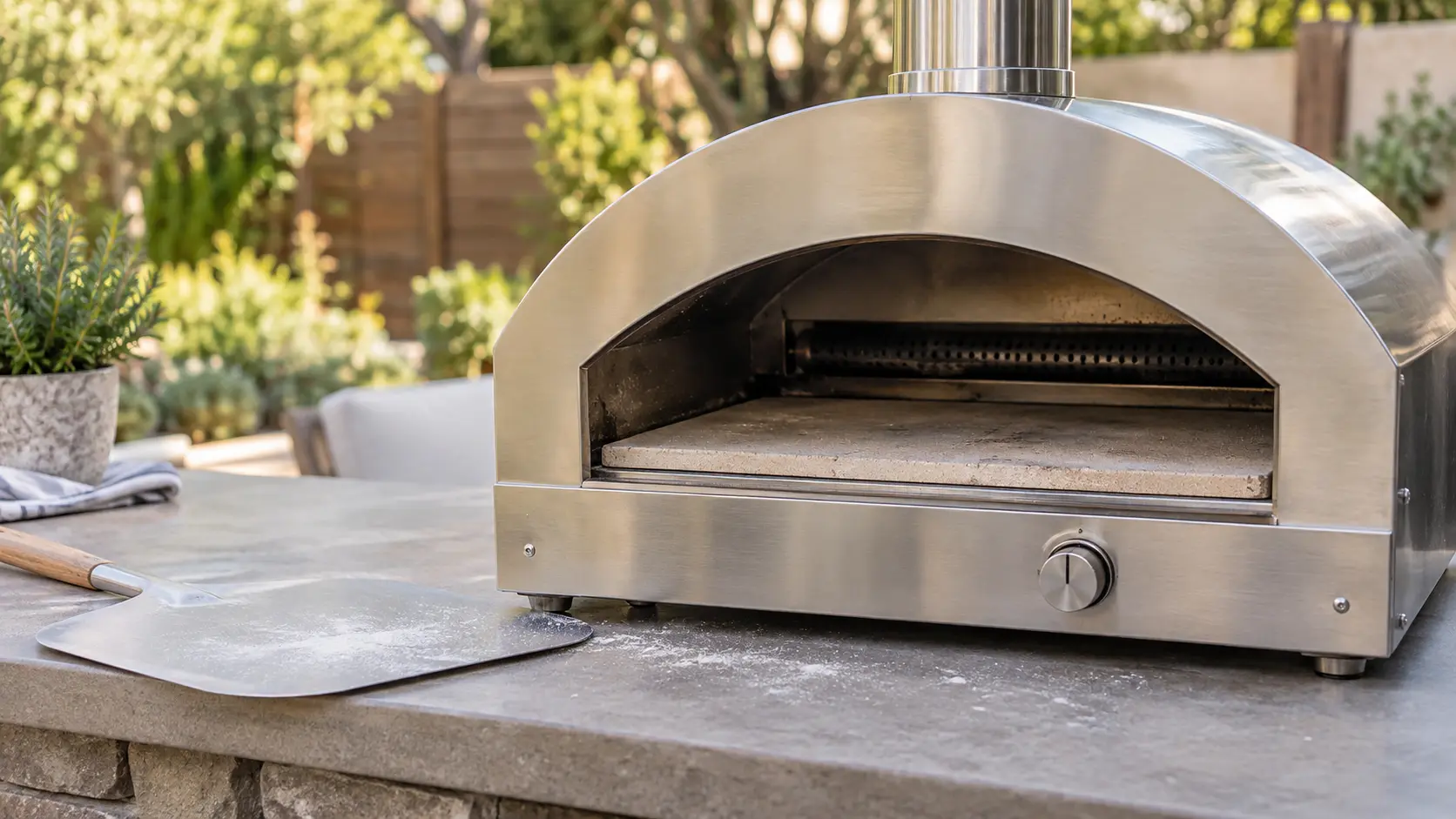
Gas Pizza Oven Won't Light: Clicks, Gas Hiss, Still No Flame
7 causes, cheapest first
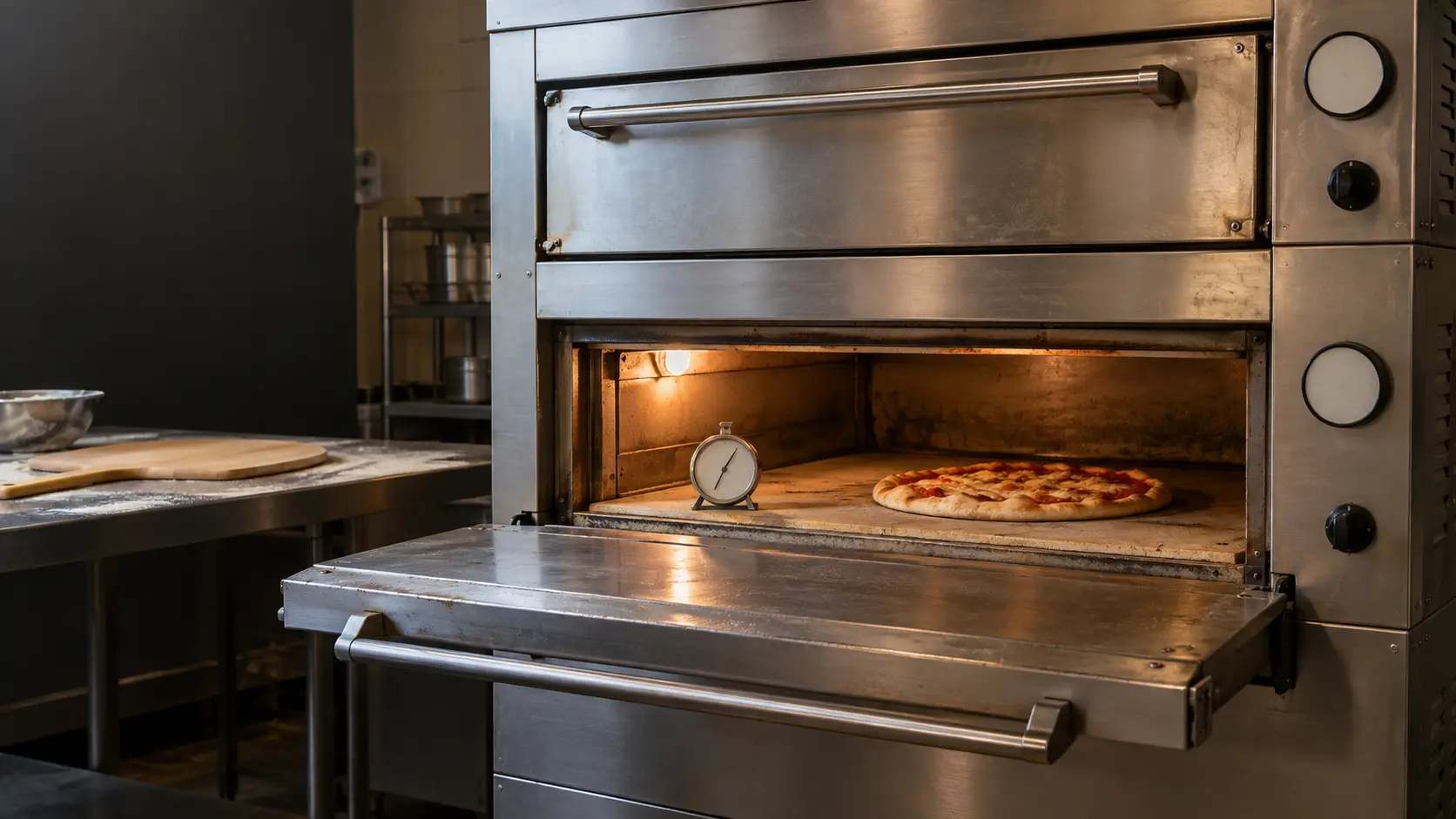
Deck Oven Temperature Drifting Away From the Dial Setting
6 causes, cheapest first

Wood-Fired Pizza Oven Smoking Heavily Out of the Chimney Top
6 causes, cheapest first

Questions about
common problems.
Where do I begin if several of these sound familiar?
Do they apply to every make of pizza oven?
Is a crack or a slow preheat always a repair?
What helps most if a visit turns out to be needed?
The other
sections.
Split by what you are trying to find out rather than by which part of the appliance it concerns.
All guides


Installation and setup
Start from your question
The four questions most visits start with, each with the guide that answers it.
18 guidesWhere to start Where to startBack to your everyday
Let’s get your pizza oven working again.
Three short steps online, or one call. Tell us what you are seeing and pick a window that works.