Cracks a pizza oven is expected to grow
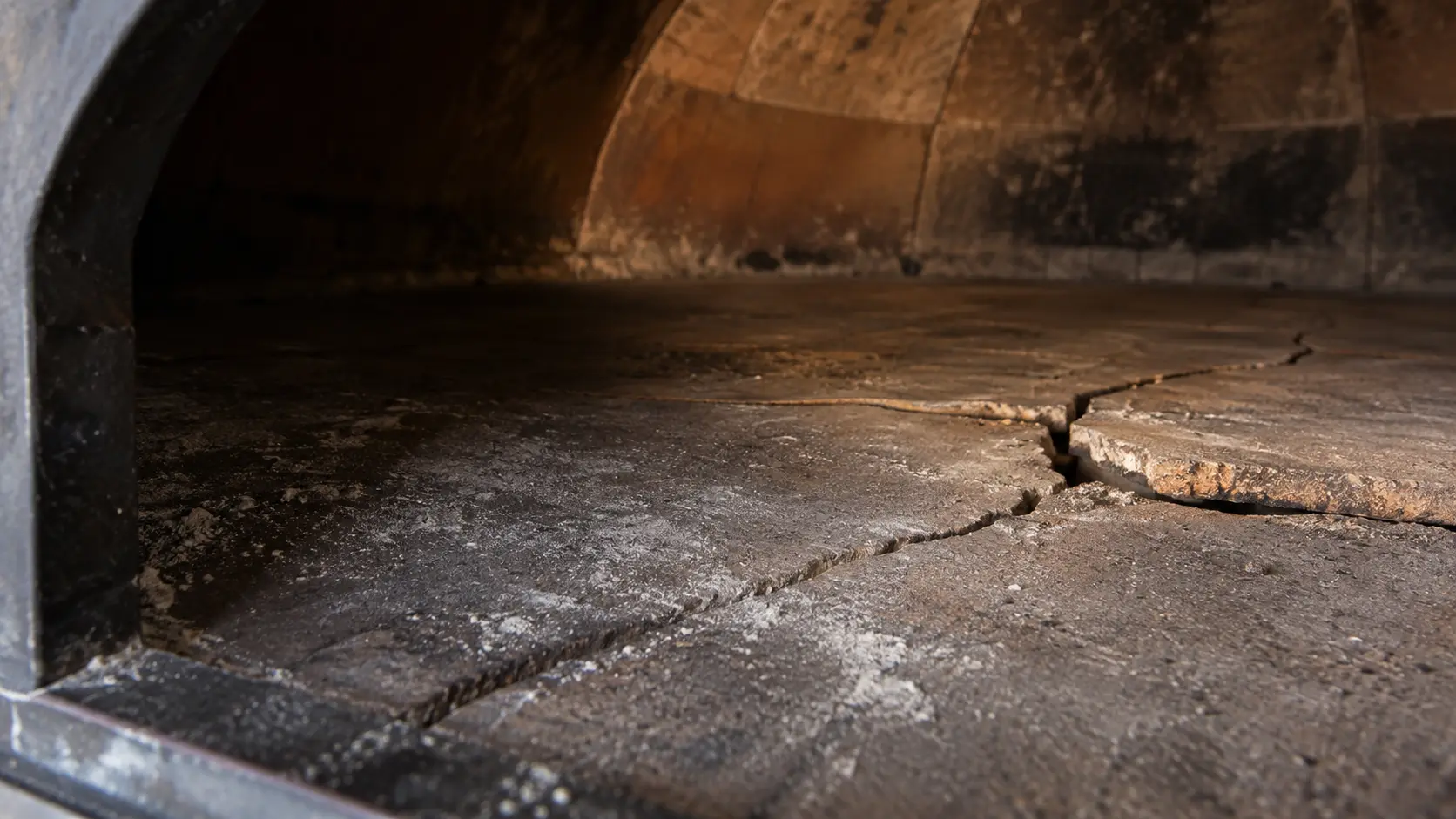
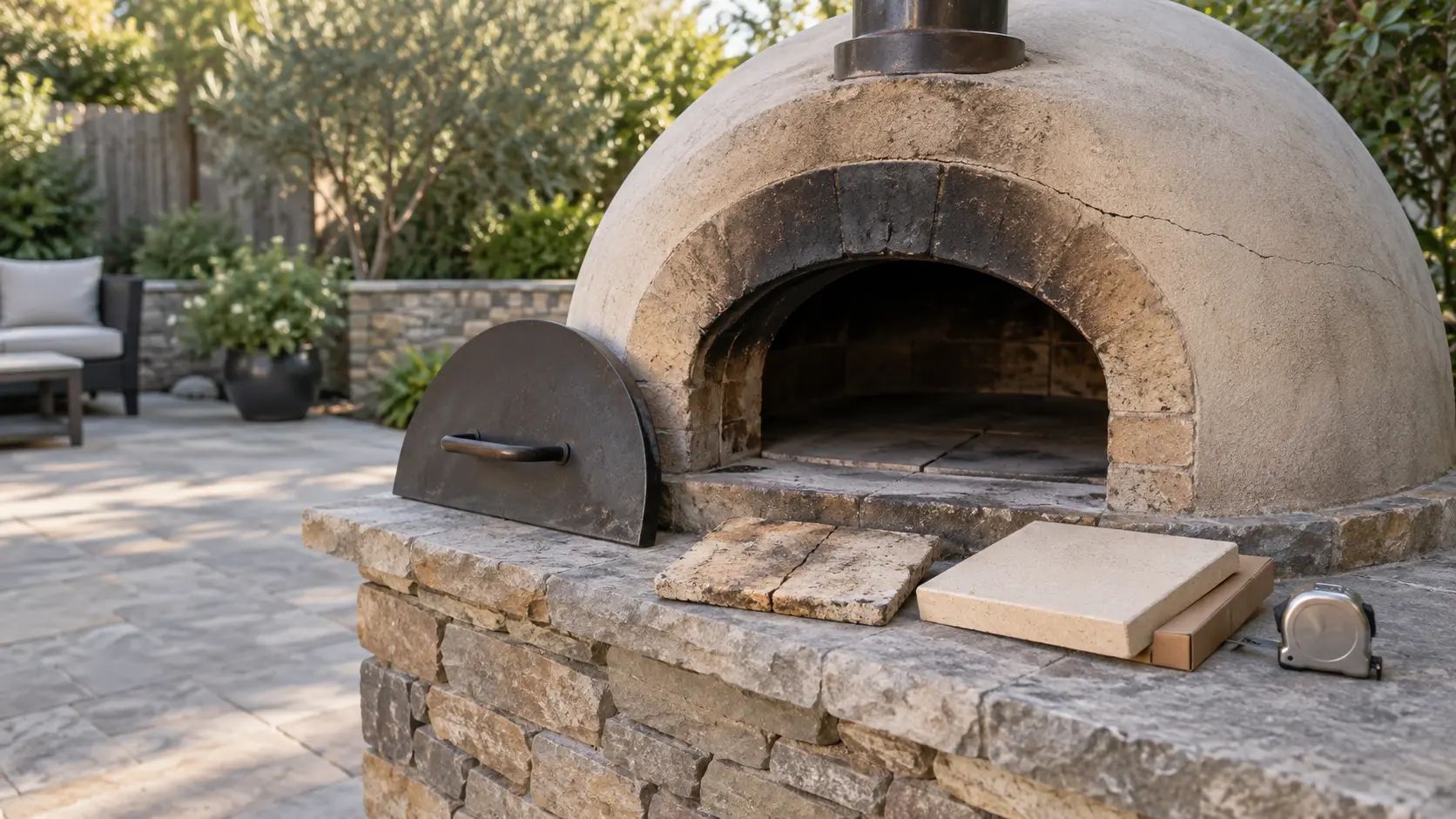
The first crack in a new dome sends many owners shopping for a replacement, and nearly every maker tells them to wait. Lynx calls small hairline cracks and powdery residue in the Napoli's refractory dome a normal result of thermal expansion. Marra Forni says the same about small cracks and about separation where the metal meets the dome, and Chicago Brick Oven expects small cracks in the dome or hearth during curing and cooking.
Wood Stone gives the most useful line. Small crazing cracks come with heating and cooling, it says, and cracks 1/8 inch wide or more are the ones to have evaluated. That width, checked with a ruler while the oven is cold, is a fair dividing line for any refractory oven.
Cracks that are worth a visit
Each of these usually means a repair rather than the end of the oven. Floor tiles and firebricks are replaceable, and damaged refractory can often be rebuilt by someone who knows the product.
- A crack wide enough to take a 1/8-inch drill bit.
- Pieces of the dome or floor flaking, loose or dropping onto the hearth.
- A crack that lets flame or smoke escape through the outer shell or the enclosure.
- A floor tile that rocks, has split through, or has a lip that snags the peel.
Source: Lynx — Napoli outdoor oven use and install guide — Small hairline cracks or powder residues in the refractory dome are normal and do not affect performance; damage from use in windy conditions, such as melted knobs or igniter wires, is excluded from coverage.; Marra Forni — Static oven owner's manual, Rev 5 2026 — Small cracks and separation where the metal meets the dome may appear during curing and normal operation and do not hinder performance.; Chicago Brick Oven — CBO-500, 750 and 1000 user manual — Due to thermal expansion, small cracks will appear in the dome or hearth during curing and cooking and are normal.; Wood Stone — Mountain Home and Traditional Home installation and operation manual (M0365) — Small crazing cracks occur with normal heating and cooling; contact Wood Stone if cracks 1/8 inch wide or more develop; burner problems caused by debris or ash in the burner well are not covered.
Parts built to be replaced
Much of a pizza oven is designed to come apart, which is the main reason repair usually wins. Before pricing a new one, it helps to know which of these your oven has.
- Floor bricks and hearth stones: Coyote's Duomo floor bricks lift out for cleaning beneath them, and commercial deck stones slide out of their chamber.
- Burners, igniters, thermocouples and flame sensors on gas and hybrid ovens.
- Flame diverters under a gas deck, which Bakers Pride says to check periodically and replace as needed.
- Elements, thermostats and controls on electric decks.
- Belts, drive motors, blowers and cooling fans on conveyors.
- Doors, gaskets, chimney sections and rain caps.
Settings that stay sealed
Some adjustments look like owner jobs and are not. Bakers Pride seals its deck thermostats and its burner air and bypass settings at the factory and asks owners not to recalibrate them. A thermostat that reads wrong gets a technician with a test instrument, and a calibration or a new sensor usually settles it for far less than a new oven.
Source: Coyote — 40-inch Duomo wood-fired pizza oven use and care manual — Firebricks can be removed to vacuum ash from the cooking floor; two-year limited coverage for normal residential use by the original purchaser, excluding surface corrosion, scratches and discoloration.; Bakers Pride — floor model gas deck oven operation manual (U4114A) — Flame diverters must be checked periodically and replaced as necessary; thermostats and burner aeration and bypass adjustments are calibrated and sealed at the factory and should not be adjusted by the owner.

When a new pizza oven makes more sense
Replacement starts to win when the failed part is the one everything else sits on, or when the maker stopped supplying it years ago.
- A masonry dome that has sagged, spalled deeply or split so that the shell moves.
- An outdoor gas oven whose steel body has rusted through under the floor or around the burner.
- A commercial oven whose control board, burner system or conveyor frame is out of production.
- Repeated water damage in an oven that sits uncovered where it cannot be sheltered.
- An oven the business has outgrown, such as a single deck in a shop now baking three times the volume.
The enclosure counts too
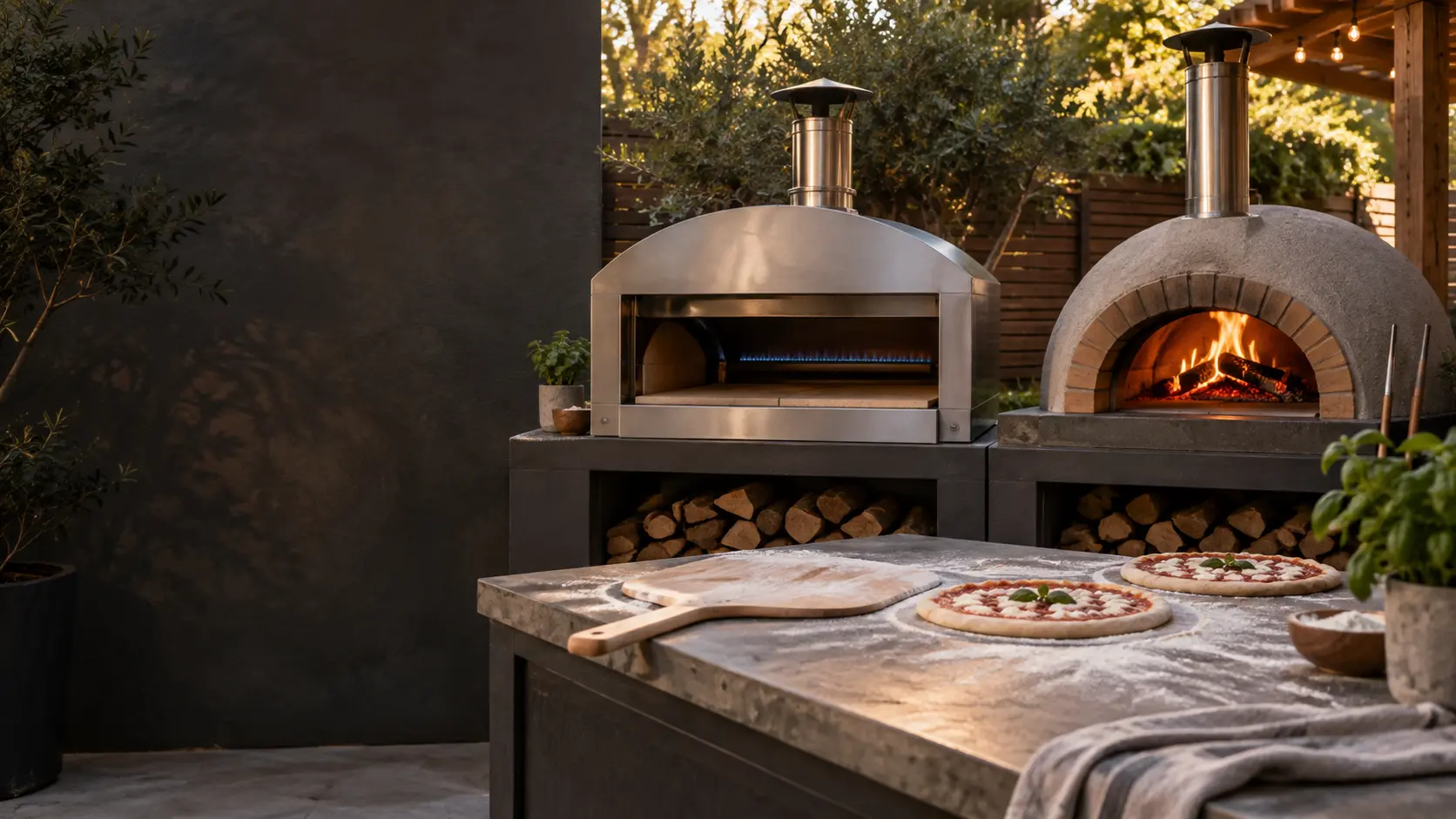
A built-in wood oven is often set inside a stone or stucco shell, with insulation packed around the dome and a chimney through the top. Swapping it can mean taking the enclosure apart, which pushes the arithmetic toward repair unless the dome itself has failed. A countertop gas oven is the opposite case: it lifts off and a new one goes on in an afternoon.
What the maker's terms may still cover
Read the limited warranty before paying for anything, and read what it leaves out. Coyote's two-year coverage on its Duomo wood oven applies to normal residential use by the original purchaser and excludes surface corrosion, scratches and discoloration. Lynx excludes damage from cooking in wind, such as melted knobs or igniter wires, and Wood Stone will not cover burner problems caused by debris or ash in the burner well.
A home model moved into a business may lose its coverage altogether; Kalamazoo states plainly that its pizza oven is not intended for commercial use. Terms for pizzeria ovens are written for business use and differ from maker to maker, so pull the actual document rather than relying on the sales sheet.
Source: Lynx — Napoli outdoor oven use and install guide — Small hairline cracks or powder residues in the refractory dome are normal and do not affect performance; damage from use in windy conditions, such as melted knobs or igniter wires, is excluded from coverage.; Wood Stone — Mountain Home and Traditional Home installation and operation manual (M0365) — Small crazing cracks occur with normal heating and cooling; contact Wood Stone if cracks 1/8 inch wide or more develop; burner problems caused by debris or ash in the burner well are not covered.; Coyote — 40-inch Duomo wood-fired pizza oven use and care manual — Firebricks can be removed to vacuum ash from the cooking floor; two-year limited coverage for normal residential use by the original purchaser, excluding surface corrosion, scratches and discoloration.; Kalamazoo — Artisan Fire pizza oven use and care guide — This appliance is not intended for commercial use.
Facts to gather before deciding
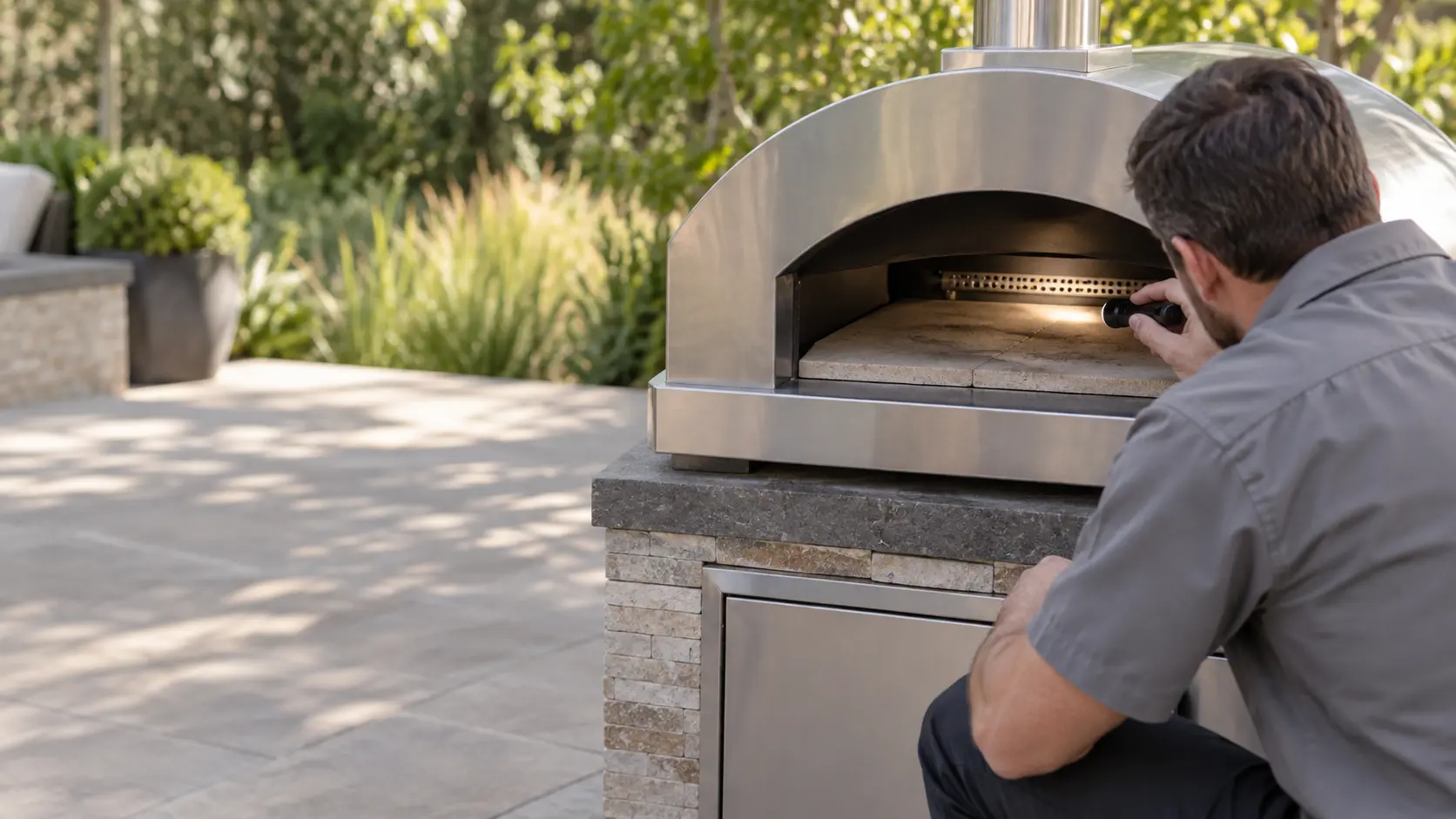
Whether you repair or replace a pizza oven, the decision goes faster with these facts in hand. A diagnostic visit can then price the repair against a new oven of the same size, delivered and installed, and the choice usually becomes plain.
- The model and serial numbers, read off the rating plate or data label.
- The fuel, and whether the oven was ever converted from one gas to the other.
- Photos of any crack with a ruler beside it, taken with the oven cold.
- When the oven was last cured, and whether it sat uncovered through rain.
- Whatever code the display showed, and what the oven was in the middle of at the time.
- For a pizzeria, the hours it runs each day and whether a second oven can carry the load while it is down.